
Currently Empty: $0.00

 4x Braided Line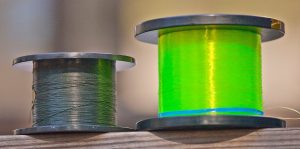
Fishing lines play a critical role in fishing, and the choice between braided and monofilament lines can significantly impact your fishing experience. In this braided fishing line vs. monofilament fishing line review, we’ll explore the characteristics of both types of fishing lines. We’ll also provide comparative charts to illustrate key differences.
Braided Fishing Line
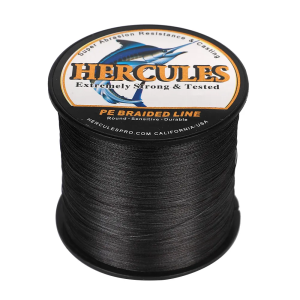
Personal View: From my personal experience, braided fishing lines are like the high-performance sports cars of the fishing world. They are incredibly strong, sensitive, and have virtually no stretch, making them ideal for certain fishing situations. I remember using a braided line on a deep-sea fishing trip, and the sensitivity allowed me to feel even the slightest nibble from fish at great depths.
Expert View: Experts often recommend braided lines for their superior strength-to-diameter ratio. This allows anglers to use thinner lines without sacrificing strength, enabling longer casts and better handling of larger fish. The lack of stretch enhances sensitivity, which is crucial for detecting subtle bites. Braided lines are also highly durable and resistant to abrasion, making them suitable for fishing in heavy cover or around sharp structures.
Advantages:
- Strength: High strength-to-diameter ratio.
- Sensitivity: Excellent sensitivity due to no stretch.
- Durability: Resistant to abrasion and harsh conditions.
- Casting Distance: Thinner diameter allows for longer casts.
Disadvantages:
- Visibility: Highly visible in clear water.
- Knot Strength: Can be difficult to knot securely.
- Cost: Generally more expensive than monofilament lines.
- Line Management: Can be prone to wind knots and tangles.
Monofilament Fishing Line
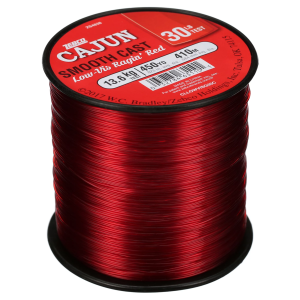
Personal View: Monofilament lines have been my go-to for many freshwater fishing adventures. They are forgiving and easy to handle, making them perfect for beginners or casual anglers. The stretch in the line has saved me from breaking off many times when a fish makes a sudden run.
Expert View: Monofilament lines are praised by experts for their versatility and ease of use. They offer a good balance of strength, stretch, and abrasion resistance. The stretch can act as a shock absorber, which is beneficial when fighting fish. Monofilament lines are also more affordable and come in a variety of colors to match different water conditions.
Advantages:
- Cost: More affordable compared to braided lines.
- Knot Strength: Easier to tie secure knots.
- Versatility: Suitable for a wide range of fishing applications.
- Stretch: Acts as a shock absorber to prevent line breakage.
Disadvantages:
- Memory: Can retain spool shape, causing line twists.
- Durability: Less resistant to abrasion compared to braided lines.
- Sensitivity: Stretch reduces sensitivity.
- Casting Distance: Thicker diameter limits casting distance.
Characteristics Comparison
| Characteristic | Braided Line | Monofilament Line |
|---|---|---|
| Strength | High | Moderate |
| Sensitivity | High (No stretch) | Moderate (Some stretch) |
| Durability | High | Moderate |
| Visibility | High (Visible) | Low (Less visible) |
| Knot Strength | Moderate (Difficult) | High (Easy) |
| Cost | High | Low |
| Memory | Low (No memory) | High (Retains memory) |
| Casting Distance | Long | Short |
| Versatility | Moderate | High |
| Abrasion Resistance | High | Moderate |
Expert Recommendations
| Scenario | Recommended Line |
|---|---|
| Fishing in clear water | Monofilament |
| Fishing in heavy cover or structure | Braided |
| Long casting distance required | Braided |
| High sensitivity needed | Braided |
| Budget-friendly option | Monofilament |
| Beginners | Monofilament |
| Versatility in different conditions | Monofilament |
| Fighting large, aggressive fish | Braided |
| Smooth, easy line management | Monofilament |
Conclusion
Both braided and monofilament fishing lines have their unique advantages and disadvantages, and the best choice depends on your specific fishing needs and preferences. Braided lines offer superior strength, sensitivity, and durability, making them ideal for certain fishing conditions. On the other hand, monofilament lines provide excellent versatility, affordability, and ease of use, making them suitable for a wide range of applications.
For anglers who need high performance and can handle the intricacies of braided lines, the benefits are significant. However, for those who value ease of use, cost-effectiveness, and versatility, monofilament lines are a fantastic choice. By understanding the characteristics of each type of line, you can make an informed decision and enhance your overall fishing experience. Visit our braided fishing line shop for our newest braided lines.

